
Blog
What If You Smell Gas From Your Boiler? Safe Steps for Wigan Homes
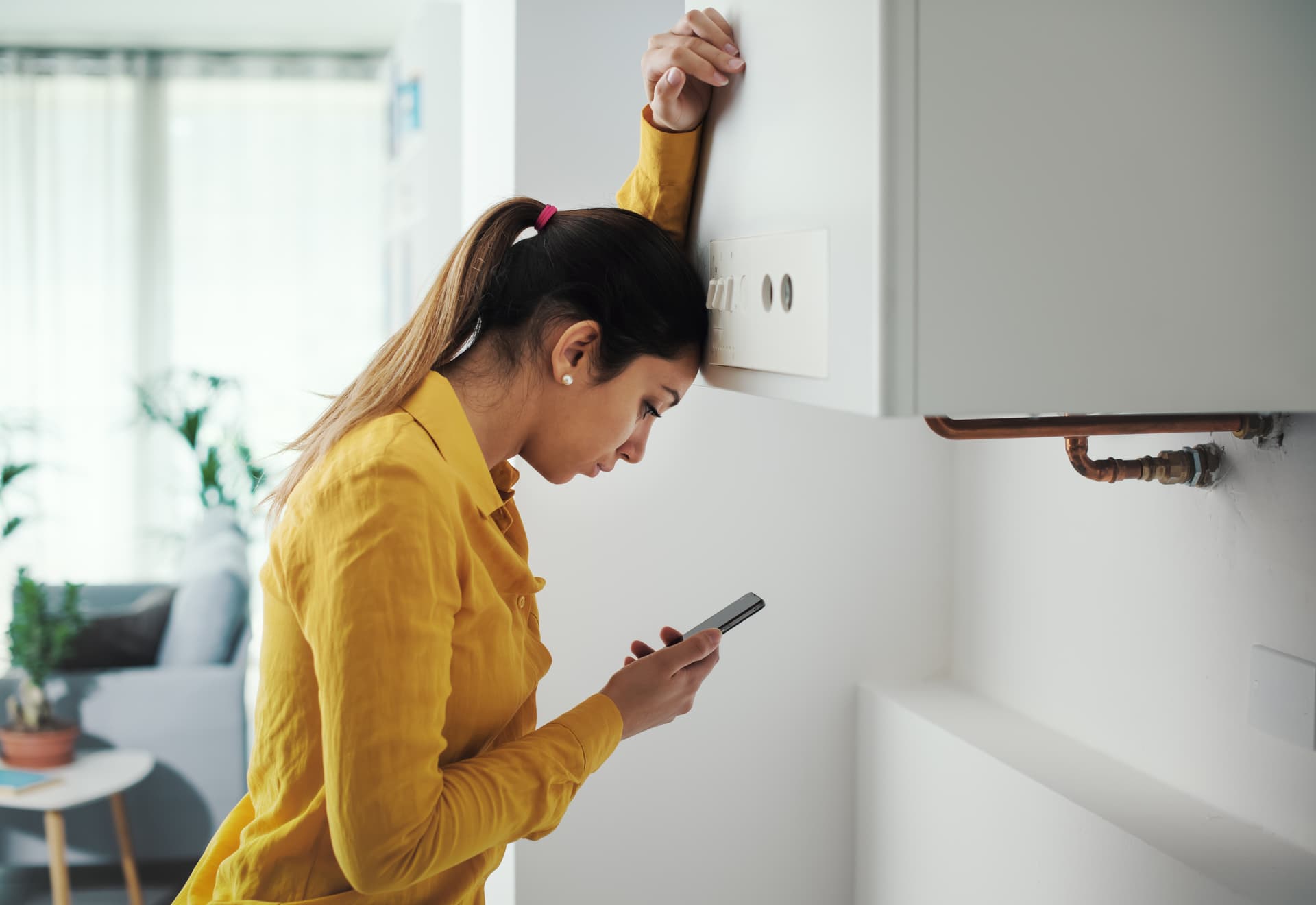
Treat a gas smell as a safety issue, not a boiler fault to investigate yourself
A smell near your boiler does not automatically prove that the boiler is the source. Gas can escape from appliance connections, valves, pipework or another gas appliance in the property. The important point is that you cannot safely identify the source by looking, listening or switching the appliance on again.
The distinctive smell is added to otherwise odourless natural gas so that a leak can be noticed. If gas is allowed to collect, it can create a fire or explosion risk. A faulty boiler can also produce carbon monoxide, which is different and particularly dangerous because it has no smell at all.
If you smell gas, act first and arrange a Boiler Repair inspection once the property has been made safe.
What to do immediately if you smell gas
Follow these steps without trying to diagnose the boiler:
- Do not operate electrical switches. Avoid turning lights on or off, using plugs, doorbells or electrical equipment near the suspected area. A small spark can ignite gas that has accumulated.
- Do not use naked flames. Extinguish cigarettes, candles and other flames only if you can do so without creating further risk.
- Leave the property. Make sure everyone gets outside, including children and anyone who may need assistance. Do not stay indoors to find the exact source.
- Call the National Gas Emergency Service. Use the emergency contact details provided for your area and make the call from outside the property or from a neighbour's home.
- Do not return until you have been told it is safe. Do not relight the boiler, use other gas appliances or attempt a repair while there is still concern about a leak.
If the smell is strong, increasing or present throughout the property, Do not spend time checking individual rooms. Leaving quickly is more important than protecting belongings or finding the gas shut-off valve yourself.
Why repeatedly resetting the boiler can make the situation worse
A boiler safety shutdown is not a diagnosis. The appliance may stop because it has detected an unsafe flame condition, ignition problem, pressure issue or another fault. Resetting it can sometimes restore operation temporarily, but it does not establish why the fault occurred.
If the underlying problem involves the way gas burns, the gas supply or the flue (the pipe that carries fumes outside), repeatedly attempting to run the boiler can allow the fault to continue. It may also remove useful information from the fault display or make it harder to understand the sequence of events. Never keep resetting a boiler when you can smell gas, hear unusual hissing or suspect combustion products.
Do not remove the boiler casing. The parts inside the boiler, the way the gas burns and the gas connections need to be assessed by a Gas Safe Registered engineer with the correct testing equipment. This is not a safe DIY check, even if you are comfortable with other home maintenance.
A gas smell is not the same as carbon monoxide
Gas and carbon monoxide are often mentioned together, but they present different warning signs. Natural gas has an added odour. Carbon monoxide does not. It can be produced when gas does not burn correctly or when fumes from burning gas cannot leave properly through the flue, the pipe that carries them outside.
Possible symptoms of carbon monoxide exposure include headache, dizziness, nausea, unusual tiredness, breathlessness and confusion. These symptoms can have other causes, but if more than one person feels unwell indoors, or symptoms improve after leaving the property, get outside immediately and seek urgent help. Do not return until the appliance and flue system have been checked by a qualified professional.
A carbon monoxide alarm is an important additional safeguard, but it does not replace boiler servicing, correct flue installation or professional fault diagnosis. An alarm may alert you to a problem that has not produced a noticeable smell.
What happens after the emergency has been dealt with
Once the property has been declared safe, we can investigate the boiler and connected heating system properly. We start by establishing what happened: when the smell was noticed, whether the boiler had locked out, whether any other gas appliances were operating and what symptoms or noises were present.
We then inspect the relevant appliance and pipework, carry out appropriate safety checks and identify whether the fault is with the boiler itself or elsewhere in the installation. A repair is only suitable once the cause is understood. Replacing an obvious component without checking the surrounding system can leave the original problem unresolved.
Where a repair is needed, we explain what has failed and what the repair involves before carrying out the work. Afterward, the appliance must be tested and safely put back into operation. This confirms that it is operating correctly and that the work has not introduced another issue.
For homeowners in Shevington, Wigan and nearby areas including Leigh, Chorley, Bolton and Skelmersdale, we can deal with the boiler repair once the immediate gas emergency procedure has been completed. If you smell gas now, leave the property and contact the National Gas Emergency Service first. Contact us afterwards for an inspection and repair.
Other Articles


